

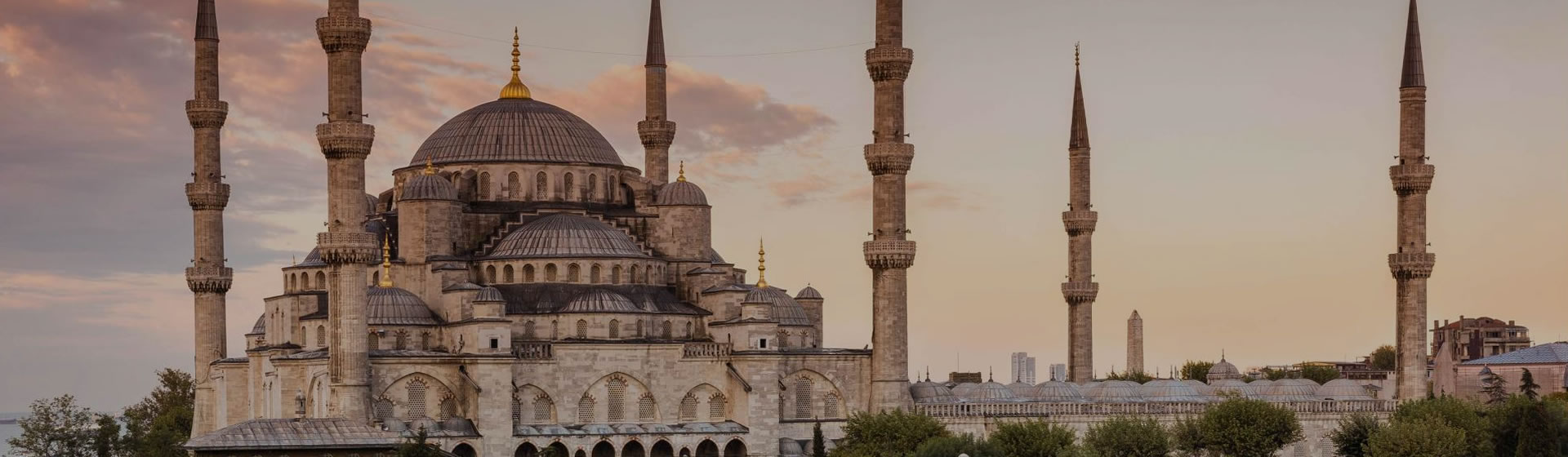

In my 50 years of experience traveling in Turkey, I have lived through times of difficult relations between the USA and Turkey. Some Turks would converse about the difficulties, ask questions, state their opinions, etc., but I never felt myself to be in physical danger. That was my experience.
However, there can be no guarantee of complete safety, anywhere in the world, for any individual traveler that nothing unpleasant will ever happen. Too many individual factors come into play.
Travelers—including Americans—are still going to Turkey and most find a warm welcome, low prices, and all the beauties and advantages that make Turkey one of the most visited tourist destinations in the world each year.
Resources
Read the TTP Safety Page to learn more about common safety concerns and make travel decisions you can be comfortable with.
Join our Facebook group where you can hear more from long-term residents of Turkey and newly returned travelers who share their advice and experiences.

September 2026 Travel Advice
Iran
Despite rising tensions in Iran and across the Middle East, Turkey remains a safe and stable destination for travelers. The country is not involved in the conflict and continues to operate normally, with international airports open and tourism services running as usual. Major cities like Istanbul, Izmir, and Antalya are calm, with no disruptions reported. Travelers should stay informed through official government channels and follow routine safety precautions, as they would for any international trip
Tourist Safety & Global Conflict
The current travel advisories remain at the same level. Tourist destinations remain safe and open for travel. As a traveler, it is generally wise to avoid any large demonstrations in any country. Because protests may take place outside of the embassy of foreign countries, it can sometimes result in increased traffic in the area or (rarely) embassy closures. Enroll in your country's travel notification system for the most updated travel warnings and advice (see below).
Is Turkey safe for solo female travelers?
Turkey is in fact a safe destinations for solo female travelers (see our video at the top of this page). But it is important to exercise caution and be aware of your surroundings, as you would when traveling in any foreign country. It is wise to follow general recommendations such as to dress modestly, avoid traveling alone at night, and to be aware of the local customs and cultural norms. Additionally, it is a good idea to inform friends or family of your travel itinerary and to stay in well-lit and populated areas. Also consider registering with your government's foreign travel system. As with any travel, it is also important to stay informed about any potential safety risks or travel advisories in the area.
Is driving in Turkey safe?
Are there any recommended tips for staying safe while walking around Turkey's cities and towns?
Here are 5 tips to stay safe when traveling
- Avoid walking alone at night, especially in unfamiliar areas, and stay in well-lit and populated areas.
- Dress modestly and be aware of the local laws and customs as well as cultural norms. Try to blend in and keep a low profile. It's a good idea to keep your valuables, such as your passport and money, hidden and secure. Avoid carrying large amounts of cash, and use a money belt or hidden pouch to keep your valuables safe.
- Keep a photocopy of your passport and ID (and visa, if applicable) in case they are lost or stolen.
- Be vigilant in crowded areas (such as tourist sites and in the markets) and on public transportation, as pickpocketing can be a common problem.
- Write down the emergency number (112) and the information for the nearest embassy or consulate.
Is it safe to travel to Turkey with children?
Yes, many families enjoy traveling in Turkey with their children. There are many family-friendly destinations. You may find it more convenient to stay at a hotel or accommodation that caters to families. As with traveling in other countries, pay close attention in crowded areas and be sure to have an emergency plan in place for your family.

Travel Advisories
The US has revised the travel warning for Turkey by dropping it down to a 2 with only noteworthy warnings on the Eastern borders.
Turkey: Level 2 (Exercise increased caution).
Regional Level 4: Do not travel to southeast Türkiye due to risk of terrorism and armed conflict.
The terrorism incidents that caused travelers to avoid Turkey for several years are now in the past, with no large events being reported in the past 2 or 3 years. Tourism is in a period of recovery now and tourist numbers in 2022 nearly returned to their 2019 pre-pandemic figures.
I follow the diplomats' advice to avoid large gatherings, especially any that are political, etc. Please read these Travel Advisories:
UK Foreign Office
The United Kingdom's Foreign Office has the following information on its website regarding travel in Eastern Turkey:
"The Foreign and Commonwealth & Development Office (FCDO) advise against all travel to areas within 10 km of the border with Syria.
The FCDO advise against all but essential travel to:
- Sirnak
- the province of Hakkari
Additionally, they advise tourists to always carry their passport and a copy of their visa with them while in Turkey. There's lots more. Here it is.
US Department of State
The US Department of State has a travel warning on its website which includes this Level 2 warning:
"Exercise Increased Caution" is the statement for the whole of Turkey with only the below significant warning mentioned:
Do not travel to:
- Sirnak province, Hakkari province, and any area within six miles (ten kilometers) of the Syrian border due to terrorism.
Read the entire Travel Advisory.
The Embassy of the United States in Ankara website also issues useful advice.
Australian Department of Foreign Affairs and Trade
Here is the warning for Australian travelers, which is similar to those mentioned above.
Government Traveler Records
Many national governments maintain records of travelers visiting foreign destinations so they can alert travelers on the road to dangers as they may arise.
For example, if you apply to join the US Department of State's Safe Traveler Enrollment Program (STEP), US diplomats in Turkey will have a record of your personal, passport, contact and emergency information in an online database. If they feel it advisable to alert you to a dangerous situation, the database can make it possible.
If you are not a US citizen, your country's government may have a similar program, to which you may wish to apply. It can't hurt, and it may help, if only to allay anxiety.

Economic Situation & Foreign Relations
In recent years, the Turkish lira has suffered a substantial loss of value versus the major currencies of the US dollar, euro, pound sterling and Japanese yen. This makes a visit to Turkey less expensive for travelers who convert those currencies to liras, but it also has created economic difficulties for the Turkish economy. Its effects are felt most by ordinary Turks, and Turkish businesses.
Relations between Turkey and the USA can be strained at times with trade tariffs being levied by both countries, and disagreements over foreign, military, and banking relations. However, Turkey is a NATO ally which adds an extra level of security.
Protests & Demonstrations
In March 2025, Turkey witnessed public demonstrations following the arrest of Mayor Ekrem İmamoğlu, including in Istanbul, Ankara, Izmir, and other cities. Authorities have responded by implementing measures such as road closures and bans on demonstrations.
We've had many questions from travelers: "Is Turkey safe to visit now?" "Should I postpone my trip?". Safety is a personal decision, but we have not witnessed any change to the security situation for tourists. Tourism is continuing as normal at all the major tourist destinations.
For visitors to Istanbul during this period, it is advisable to stay informed about the evolving situation. While the city remains a welcoming destination, travelers should exercise caution by avoiding areas where protests are taking place, as these gatherings can lead to disruptions in transportation and access to certain sites. Monitoring updates from reliable news sources and adhering to guidance from local authorities can help ensure a safe and enjoyable experience in the city.
The US Department of State issued this update:
March 28, 2025
Message to U.S. Citizens: Local laws about Social Media & Immigration Documentation
While you are in Türkiye, you are subject to local laws. If you violate local laws, even unknowingly, you may be expelled, arrested, or imprisoned.
It is illegal to show disrespect to the name or image of Mustafa Kemal Atatürk, or to insult the Turkish Government, flag, President, or security forces, including on social media. Erase any sensitive photos, comments, or other materials from your social media pages, cameras, laptops, and other electronic devices that could be considered controversial or provocative.
All individuals in Türkiye are required to carry photo identification at all times and are obliged to show their documents to police whenever requested. Turkish police routinely review identity and immigration documents, including residency permits and/or entry stamps. Individuals who cannot immediately produce documentation of their identity, citizenship, and legal presence in Türkiye may be detained or transported to a deportation center. Document checks may be performed at police checkpoints or by officials on the street or on any form of public transportation, including buses, trains, and ferries. Turkish authorities may be in plain clothes and not immediately identifiable as police. U.S. citizens should carry government-issued photo identification, such as a Turkish residence permit, and your U.S. passport with Turkish entry stamp.
More information is available in the "Entry, Exit, and Visa Requirements" and "Local Laws & Special Circumstances" sections of the Turkey International Travel Information page of travel.state.gov.
Actions to Take:
- Avoid posting or remove material that could be considered illegal, controversial, or provocative.
- Carry your passport and documentation of legal presence in Türkiye.
- Protect your passport from pick-pocketing, purse snatching, and theft.
- Follow the instructions of Turkish authorities.
- If you are arrested or detained, ask police or prison officials to notify the U.S. Embassy immediately.
- Enroll in the Smart Traveler Enrollment Program (STEP) .
- Refer to our website for the latest Alerts and Messages for U.S. citizens.
February 2023 Earthquake
On February 6, 2023 the southeastern region of Turkey suffered a magnitude 7.8 earthquake. Currently, access to the affected areas has been restricted to allow for recovery efforts.
Travel to Turkey remains open and there is no increased risk in visiting other regions of Turkey. Read government alerts linked below for the most updated information.




 Best Travel Agencies
