

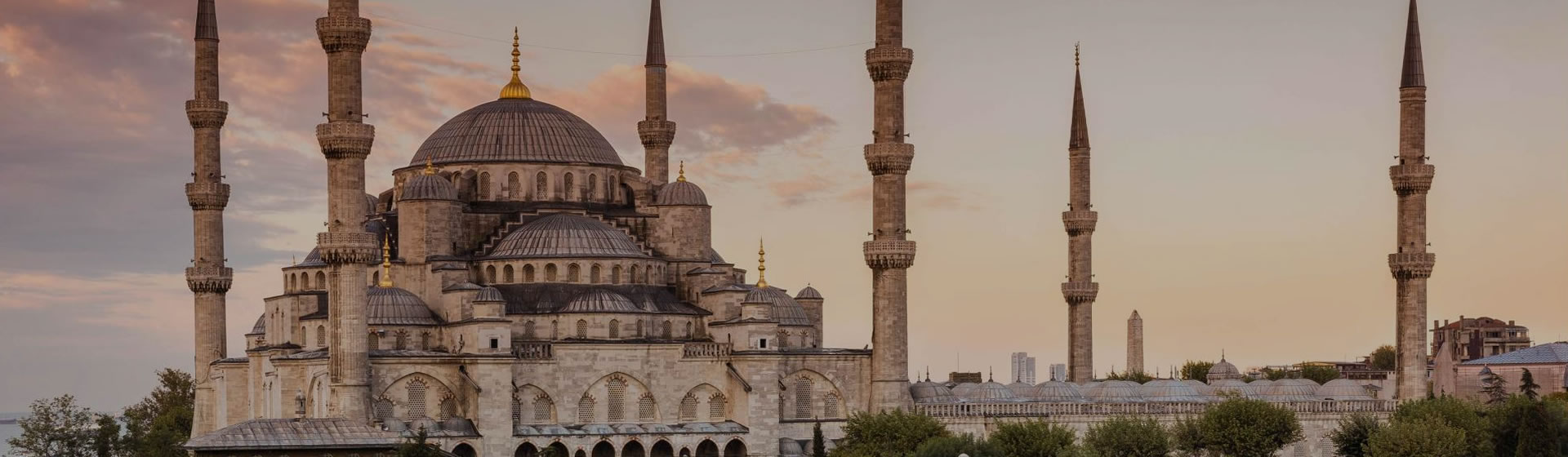


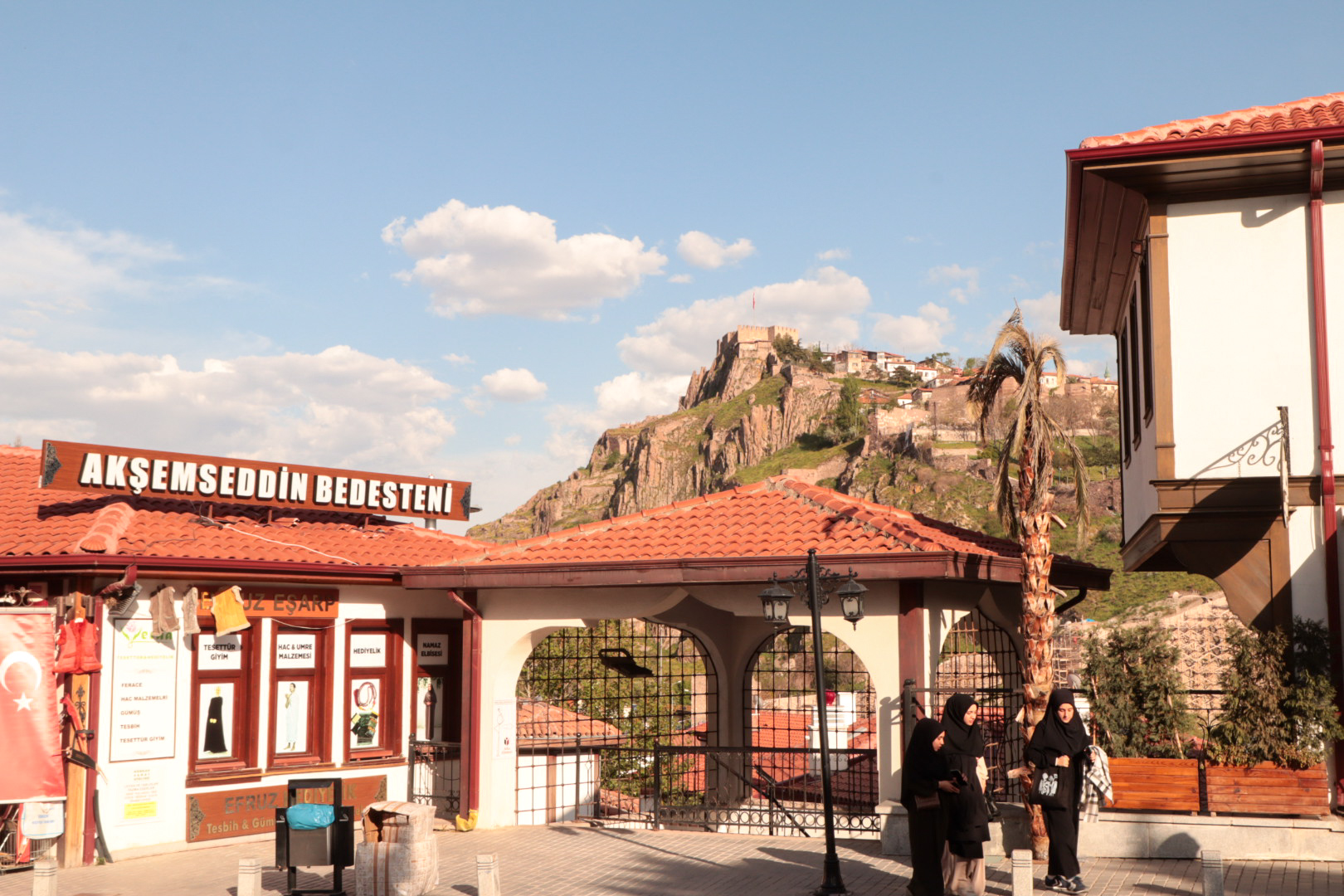
The center of Ankara, where history blends with contemporary life. You can spot Ankara‘s lofty Castle from any point in the city with a clear view. Being a significant symbol for Ankara, it is one of the must-visit locations in this capital city. With a history dating back to the Hittite times about 3000 years ago, no doubt it is considered to be the center of Ankara.
History
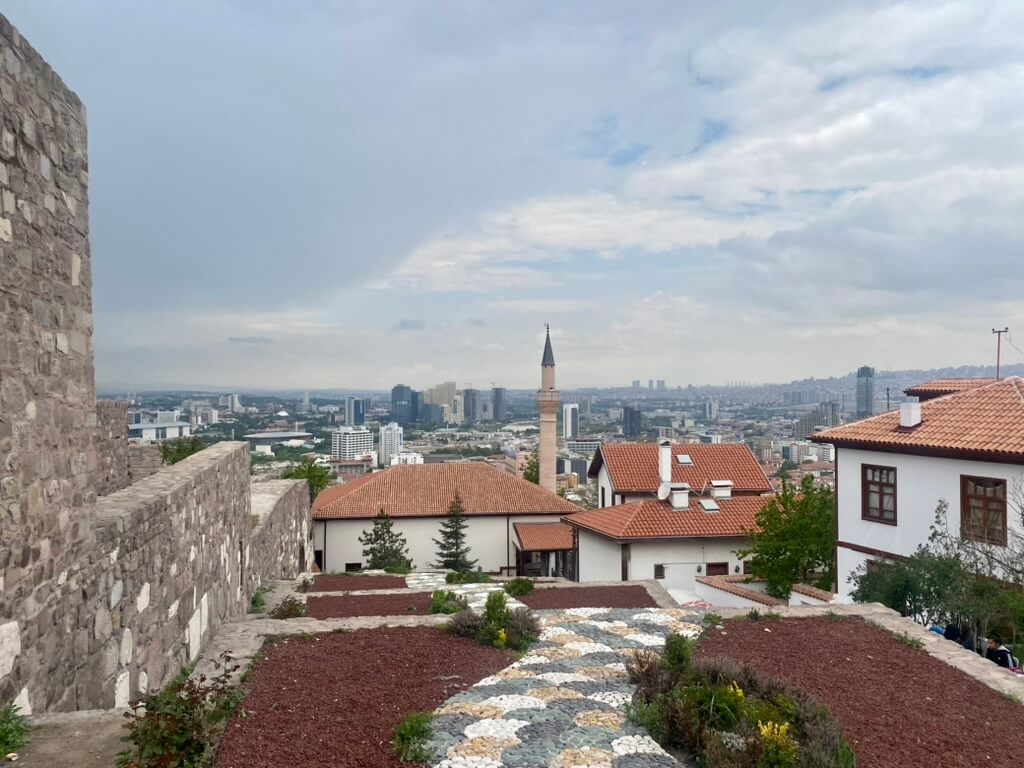
It is not only the glamorous authentic beauty of the castle that makes this area so magical, but also its surroundings, with the small streets and old houses, which really adds to the overall scenery. Though there is not enough information about when this castle was constructed, sources prove that it was there during the 5th Century B.C. As it has such a broad historical background it went through the hands of different civilizations, all of which adjusted and added something of themselves. Some of these are the Romans, Byzantines, Seljuks, and the Ottomans.
Architecture
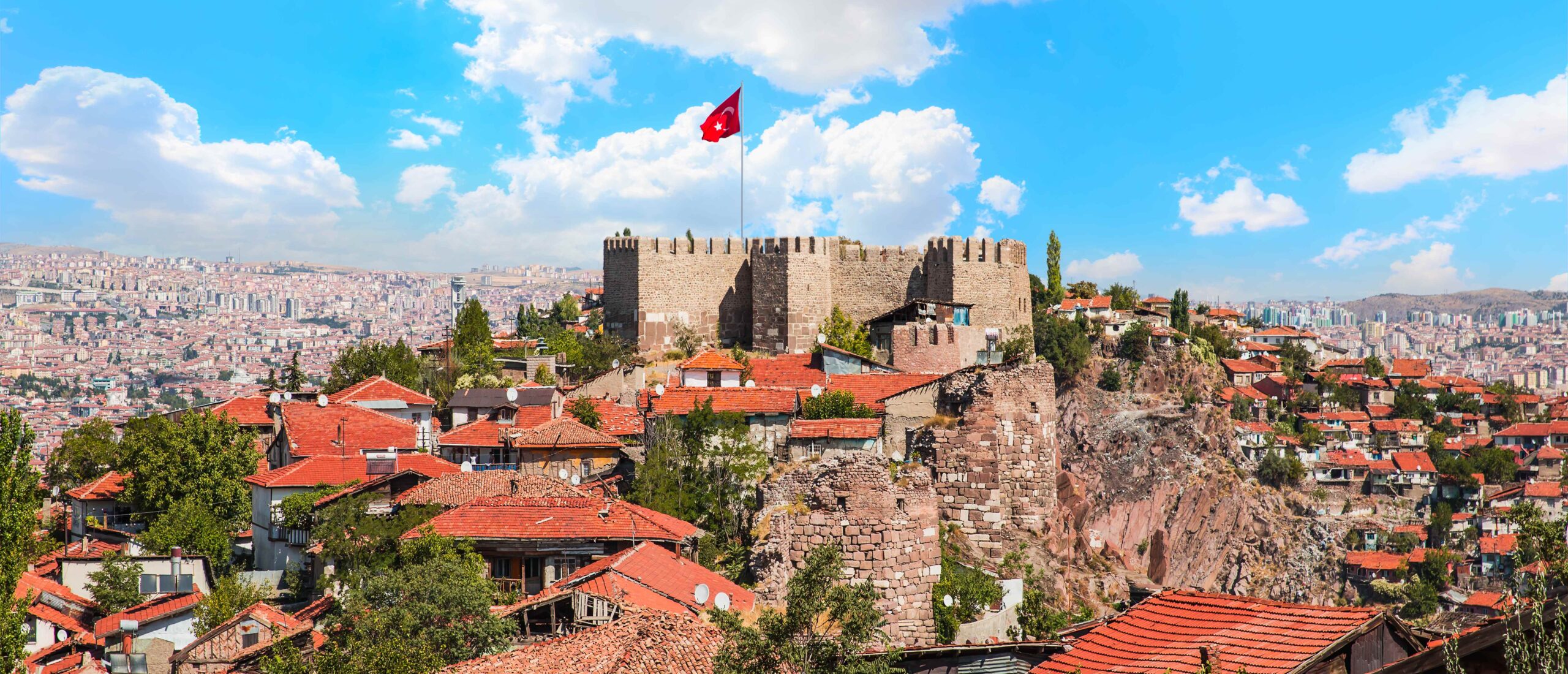
Having more than 20 towers on the outer part, and 42 in the inner castle, the castle has an incredible view of Ankara. The outer walls were built in the 800s by the Byzantine emperor Michael II, whereas the inner walls survived from the 600s.
You can enter the castle through the Finger Gate (Parmak Kapısı), also called the Clock Gate (Saatli Kapı), because of the public clock on the white octagonal tower. The area within the walls is a Turkish village—right here in the very heart of Turkey’s sprawling modern capital city. Still maintaining its authentic ancient style, not much has changed in the Castle for centuries, which is also what makes this place so special. If you keep walking ever upward to a flight of concrete stairs leading to the Şark Kulesi (Eastern Tower), Ak Kale (White Fortress), you will reach an incredible panoramic view of the Turkish capital.
Nearby
Being constructed at a significant location, the castle is surrounded by many other historical and cultural places to visit.
If you walk west down through Kale Kapısı Street, you’ll reach the Museum of Anatolian Civilisations, a historic caravanserai holding artifacts from up to 7500 years, which is one of the most precious museums in Turkey. Most of the nearby museums and historical places lie on the Gözcü Sokak, by following that street you can combine them all together. Right across the Museum of Anatolian Civilizations lies the Museum of Words (Kelime Müzesi), which opened in 2022, projecting the essentials of the Turkish Language. Another museum worth visiting is the Çengel Han Rahmi M. Koç Museum, which lies east downhill on the Gözcü Sokak as well. If you keep walking east you will reach the Ahi Serafettin Mosque and Tomb, which is a mosque dating back to the 13th era. Another great location to combine all these with is the Hacı Bayram Velii Mosque, which is an area totally restored and renewed. Definitely worth a visit as well.

Recommended Itinerary

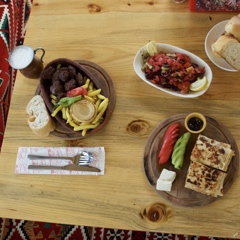
My recommendation would be to start your day off with a hearty Turkish breakfast at Hamamönü, a neighborhood in the Altındağ District. The small authentic houses and small streets really give this place a cozy environment. If you like small souvenir shops and cafes, it is definitely a must-visit location. Once you finish your breakfast, you are ready to start your journey.
If you are a good hiker and have no issues with walking up hills, you can easily walk through the Divan Sokak up towards the Castle of Ankara. Once you discover the incredible castle and its surroundings, it is nice to combine it with other historical museums. If you walk down the hill through Kale Kapısı Street, you will reach the significant Museum of Anatolian Civilizations, which is for me a must-visit.
To finish your historical journey off, you can combine it with the Hacı Bayram Velii Mosque, which is also nearby and easy to combine on foot. The authentic environment there is incredible, and best in the afternoon when the sun starts to set, and the sky slowly changes color. There are plenty of cafes and eateries nearby, where you can slowly close your day with a cup of Turkish Tea and coffee.
How to Get There
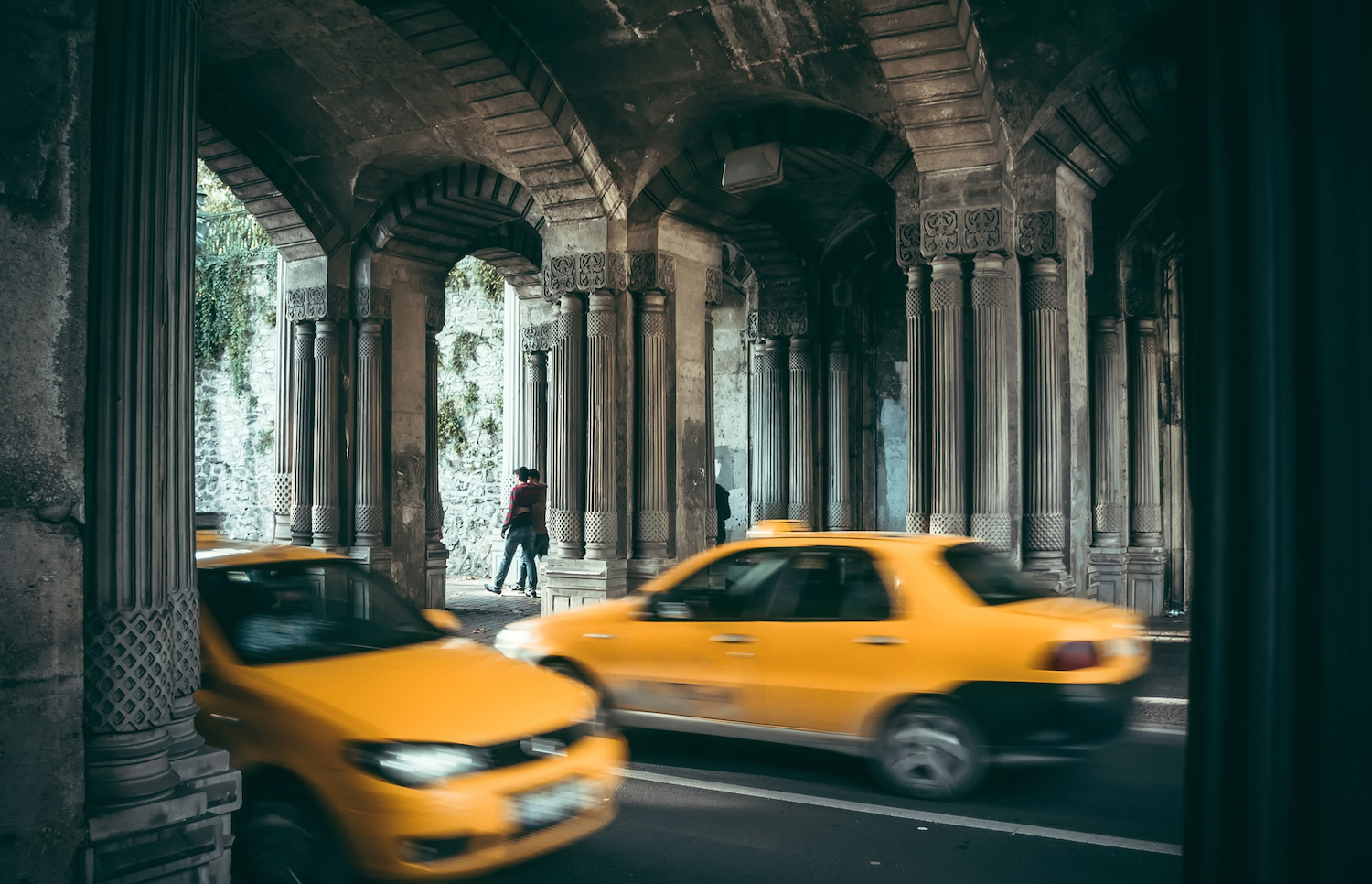
As it is located on a hill, in terms of transportation, the castle is not very easy to access, but can easily be reached by foot. If you are not willing to walk up a hill you can always ask for a taxi, which can bring you the whole way up.
Apart from that, if you are coming with the Kızılay-Batıkent Metro, you have to get off at the Ulus station, and after a 15-minute walk you will reach the castle.
When to Visit?


 Best Travel Agencies
