


At the northern end of the Galata Bridge, across Istanbul's Golden Horn from Eminönü at the southern end, lies the district called Karaköy (Galata; map). It's among the city's oldest and most historic districts, the center of Istanbul's maritime trade and commerce since it was settled by the Genoese in Byzantine times. Shipping offices, ships' chandlers, harbormasters' and customs offices, commercial banks, and warehouses lined its shore and crowded its narrow maze of streets.
Today, Karaköy is in transition from Istanbul's maritime entrepôt to one of cultural, touristic, and commercial center. For you, it's an important transportation point, similar to Eminönü, but also offering fine boutique hotels, restaurants, cafés, historic sites, and the city's principal international cruise ship dock. Although you'll probably get to know Karaköy as a place to board a ferry, ship, tram, or the Tünel (underground train to Tünel Square and İstiklal Caddesi), it's also a good place to buy hardware, insurance, baklava, and fish, of all things. (The Karaköy Fish Market is one good place to find cheap fish meals in Istanbul.)
What to See & Do
Wander Karaköy's maze of little streets north and east of the square, and among the ships' chandlers, machine equipment sellers and commercial banks and offices you may come upon Greek Orthodox and Armenian schools and churches, not to mention the Church of the Virgin Mary of the Independent Turkish Orthodox Patriarchate (Bağımsız Türk Ortodoks Patrikhanesi) (map), a dissident group that broke away from the Ecumenical Orthodox Patriarchate in Fener in 1922.
Cafes and Shops
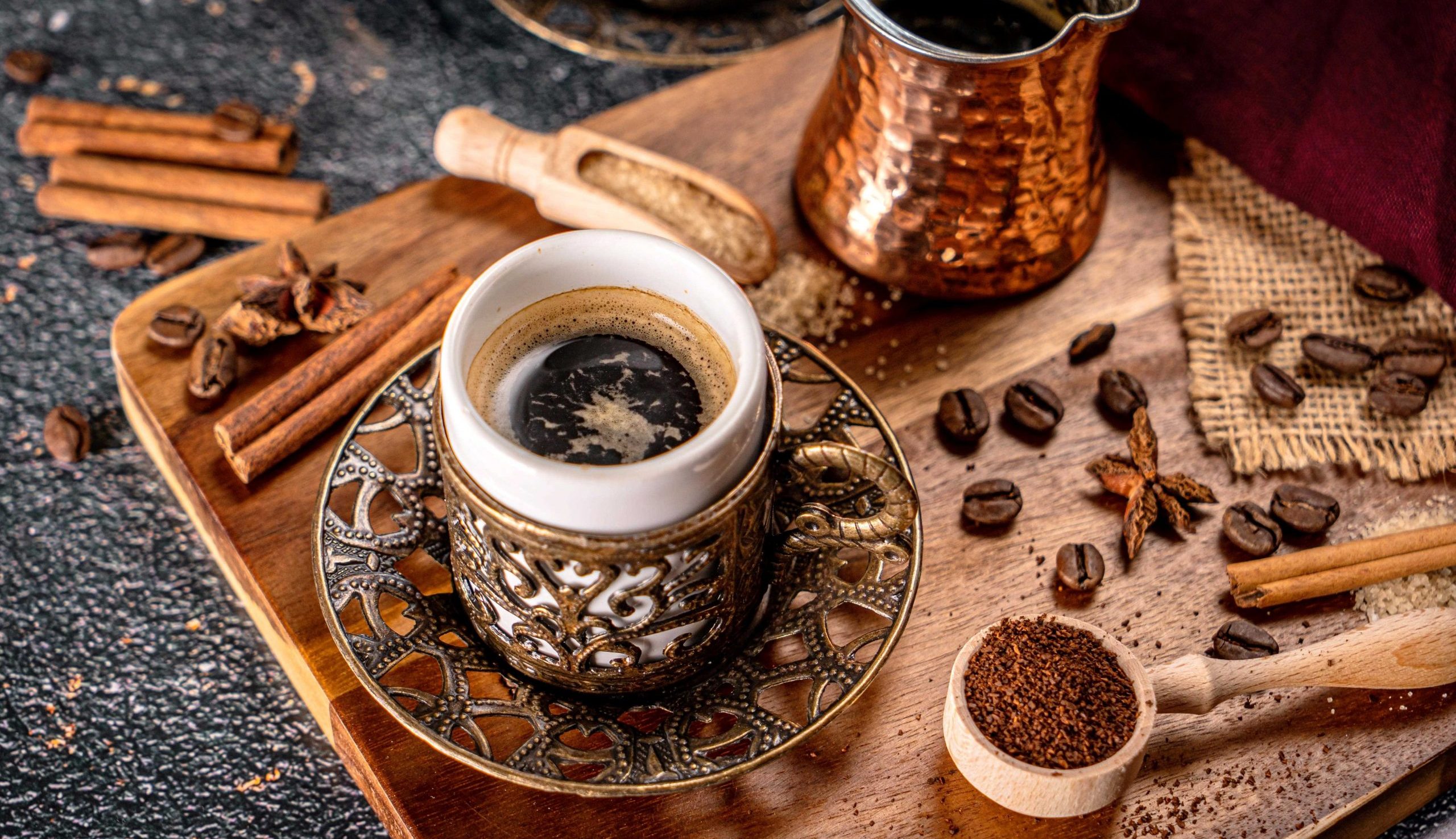
On the southeast side of the Kılıç Ali Paşa Mosque (1580) near the Kılıç Ali Paşa Hamamı, Kılıç Ali Paşa Mesciti Sokak (map) is lined with tiny cafés and tea shops offering innovative and authentic caffeinated brews to crowds of art students from nearby Mimar Sinan Fine Arts University (Mimar Sinan Güzel Sanatlar Üniversitesi).
Istanbul Modern
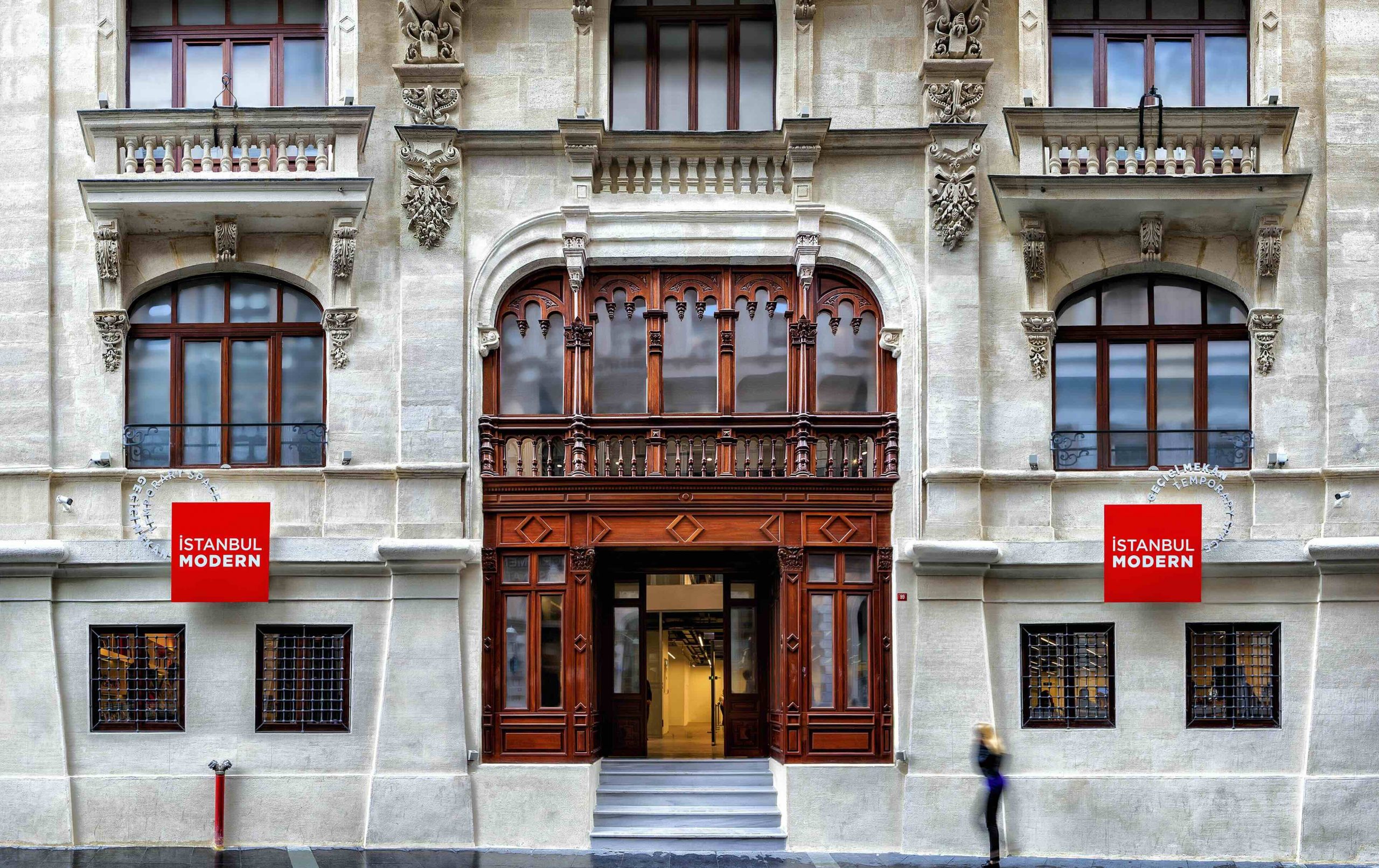
Just a block or two to the east is the Istanbul Modern Art Museum, though redevelopment of the area may soon force the museum to move to another location.
Ferries and Fish
On the west side of the square by the TurYol ferry docks is the Karaköy fish market and a dozen tiny fresh-fish eateries and tea houses. Behind them is the best place in Istanbul to buy plumbing fixtures and parts, ships' chains and anchors, and all manner of other useful goods.
Cruise Ship Docks
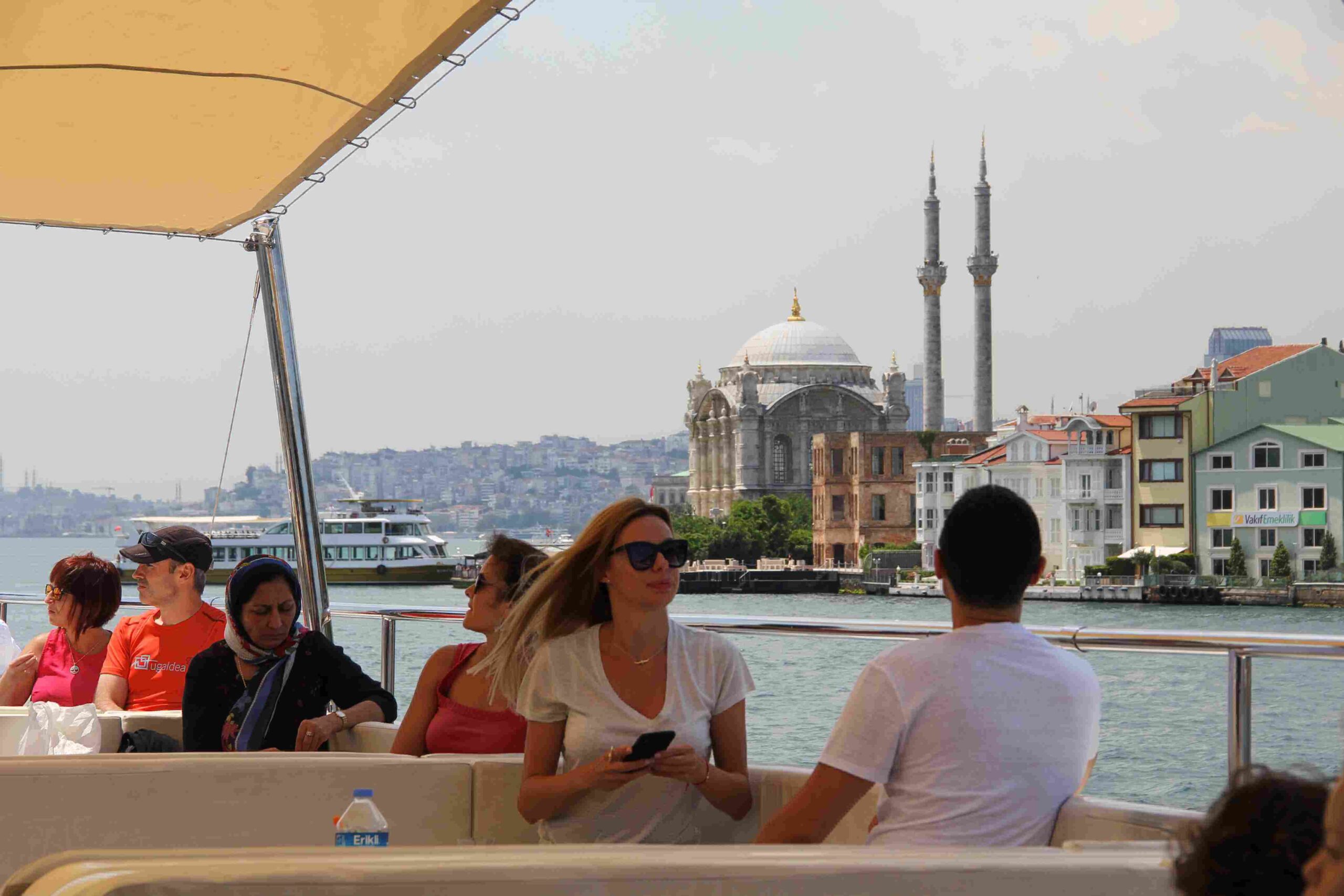
International cruise ships used to moor here, but a 1.2-km stretch of the shoreline is being redeveloped. Old warehouses and decrepit buildings are being replaced, historic buildings restored, and new facilities installed to better serve Istanbul's greatly increased cruise ship traffic. Called Galataport, the project will change the face of Karaköy.
For the time being, cruise ship moorings have been moved farther up the Bosphorus shore.
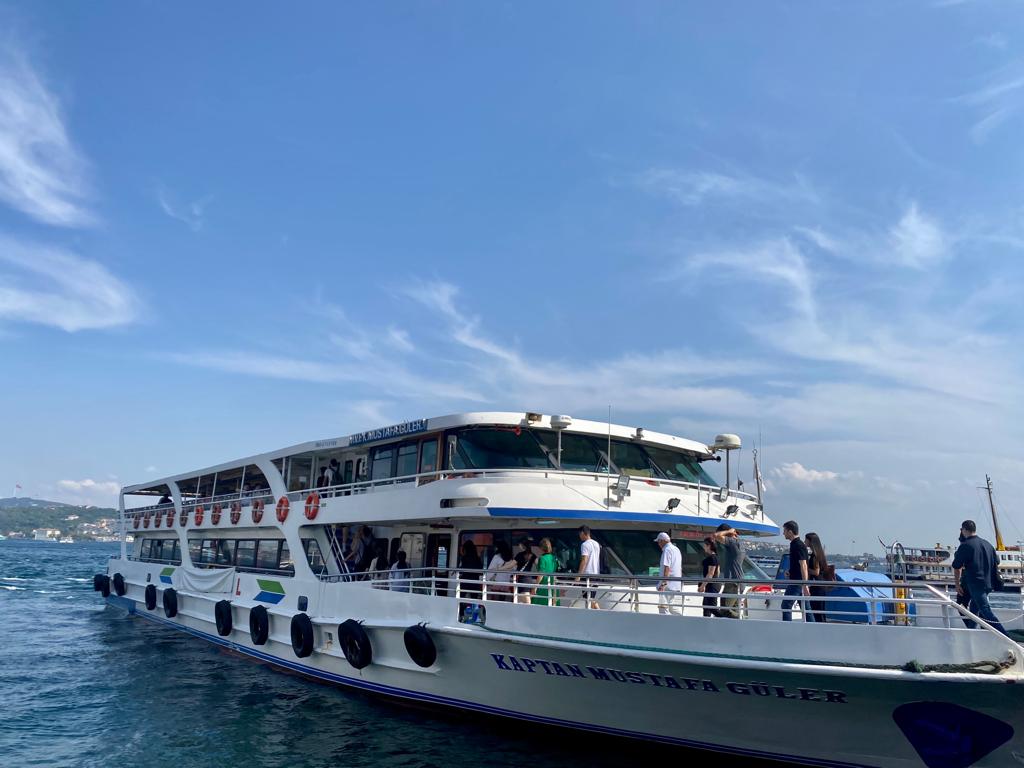
Ferry Docks
Ferries depart Karaköy for the Asian shore of the Bosphorus(map), going to both Haydarpaşa and Kadıköy.
Şehir Hatları ferryboats depart from the dock east of the Galata Bridge. TurYol boats depart from west of the bridge (the Golden Horn side; map).
A Bit of History
Around the year 1000, the emperor of Byzantium granted to the merchants of Genoa the right to settle and do business on the northern shore of the Golden Horn, his capital, Constantinople.
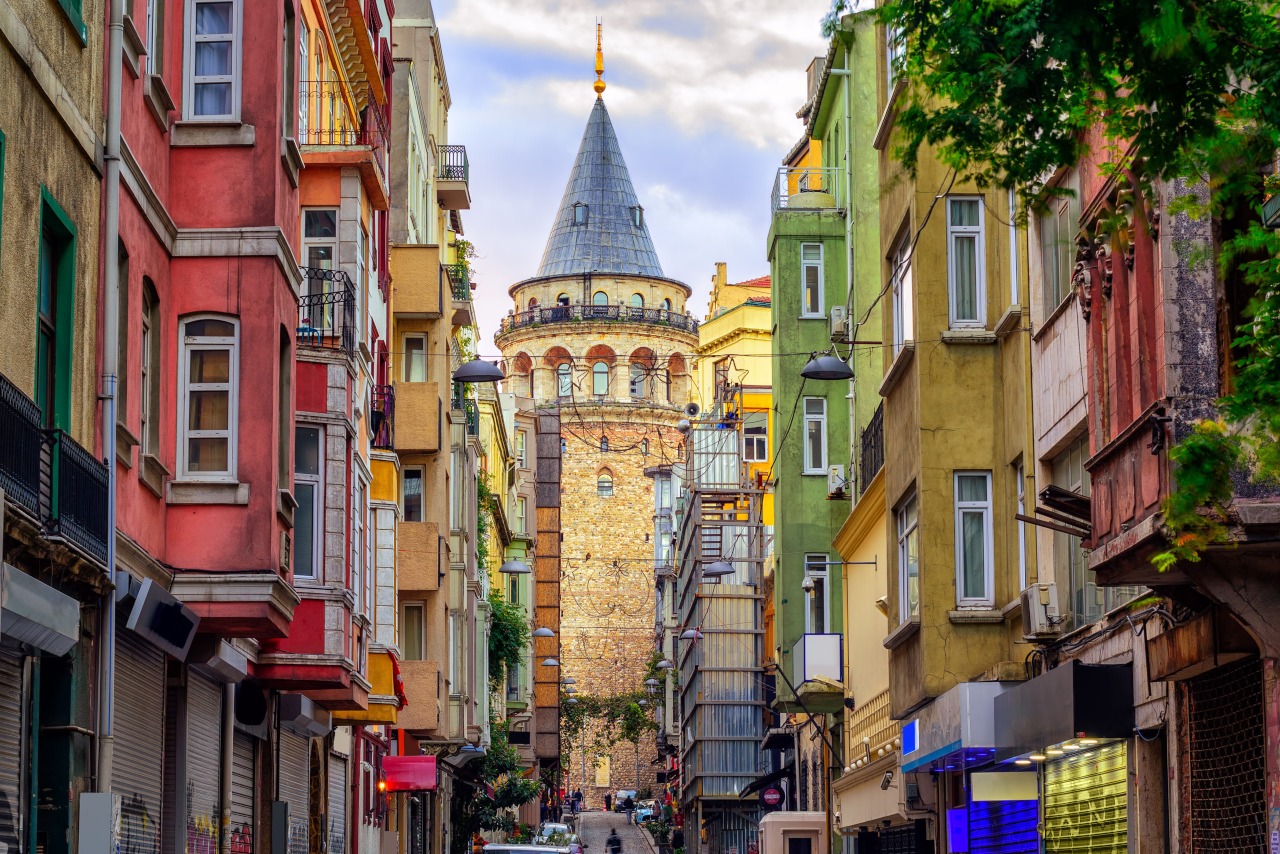
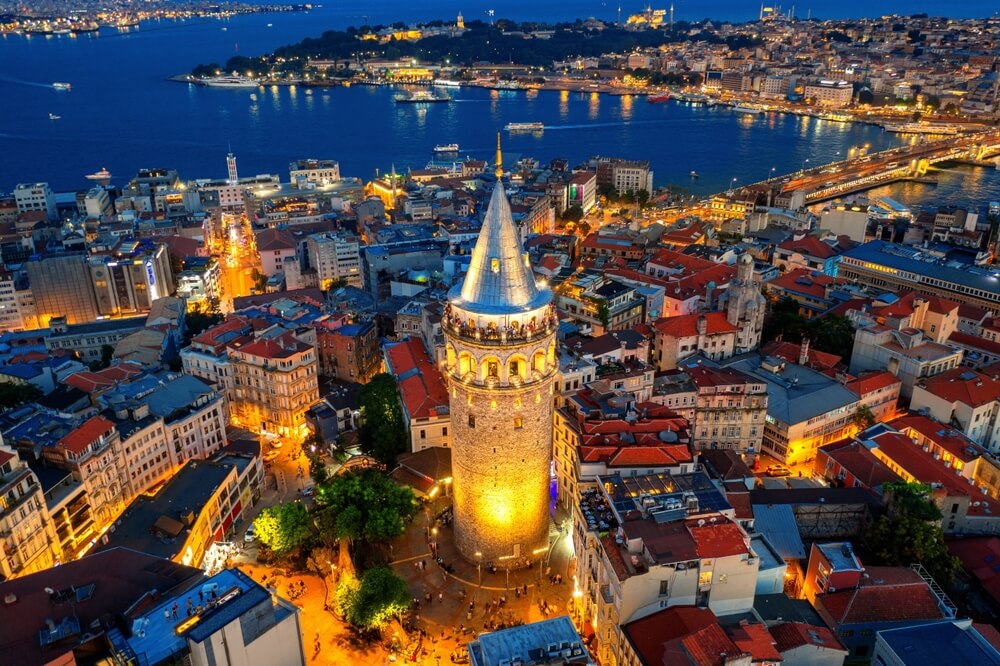
This district—Galata—developed rapidly, and the Genoese built sturdy fortifications to protect themselves and their warehouses. Fragments of the Genoese walls are still visible, but most visible of all is the highest and strongest point in the walls, the Galata Tower.
Up the Hill to Galata Tower
Climb the steep hillside toward Galata Tower along the street named Yüksek Kaldırım to see some of the city's fine old Frankish (European) houses, several of the city's most historic synagogues, and of course, the Galata Tower.

 Get a Quote
