

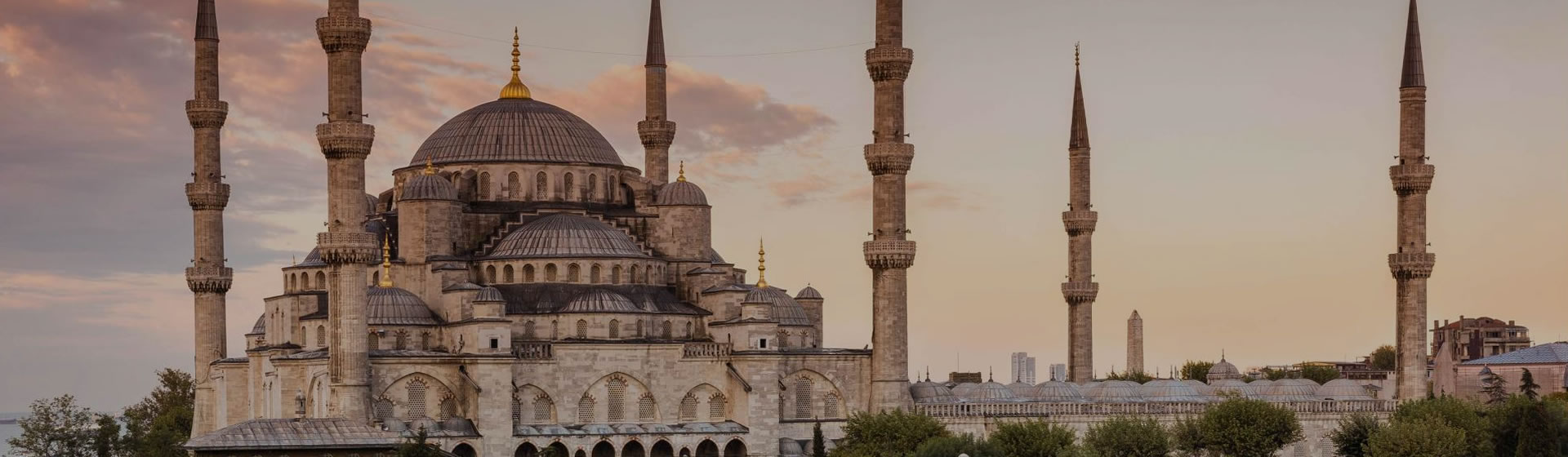


Sultanahmet Square
The district of Sultanahmet is accepted as the most important domestic and foreign tourist destination center of Istanbul. There are many important historical sites to visit such as the Byzantine Hippodrome. However, other must-see places are nearby, such as the Hagia Sophia Mosque (Ayasofya Cami), Museum of Turkish and Islamic Art, Basilica Cistern, Topkapı Palace, Güllhane Park, Blue Mosque, Istanbul Archeological Museum, Cağaloğlu Hamamı, Hürrem Sultan Hamamı, Mehmet Pasha Mosque, and Şerefiye Cistern.
Plan to spend at least one to two days to visit all of them.
Transportation
You can access Sultanahmet Square by using 28B, 77A, and BN1 buses (Halkalı Park – Eminönü Çarşısı stop) or the T1 trolley line (Çemberlitaş or Sultanahmet stop). You can also use Marmaray (Ataköy-Pendik) and Marmaray (Halkalı-Gebze) train lines and the M2 metro line to go to Yenikapı to take the trolley from there. If you are taking the ferry, you can come via either Kabataş or Eminönü and take the trolley from there as well.
History of Sultanahmet Square
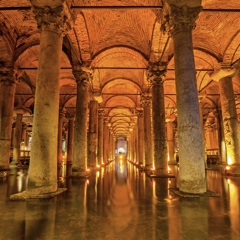
The Basilica Cistern, (Yerebatan Sarnıcı) is beneath the little park at the northern end of the Hippodrome. Above the hidden cistern is a stone tower that was once part of the city's system of aqueducts. The Yerebatan Sarnıcı has recently undergone a huge and careful renovation process and has fully reopened after four years. It is on the UNESCO World Cultural Heritage List and the combination of lighting and statutes creates a unique ambiance that entices visitors.
Beside the stone tower is the Milion, all that remains of a triumphal gate that served as the zero-mile marker on the road called the Mese (now Divan Yolu [map]), the Roman road between Constantinople and Rome.
Ayasofya (Hagia Sophia) is across the street from the stone tower, Topkapı Palace is just beyond Ayasofya, and the Istanbul Archeological Museum is next to Topkapı, down the hill bordering Gülhane Park. It should be noted that the Istanbul Archeology Museum was reopened at the end of a long renovation process as well and offers visitors an experience filled with new exhibition methods suitable for modern museology in its 5 new exhibition halls.
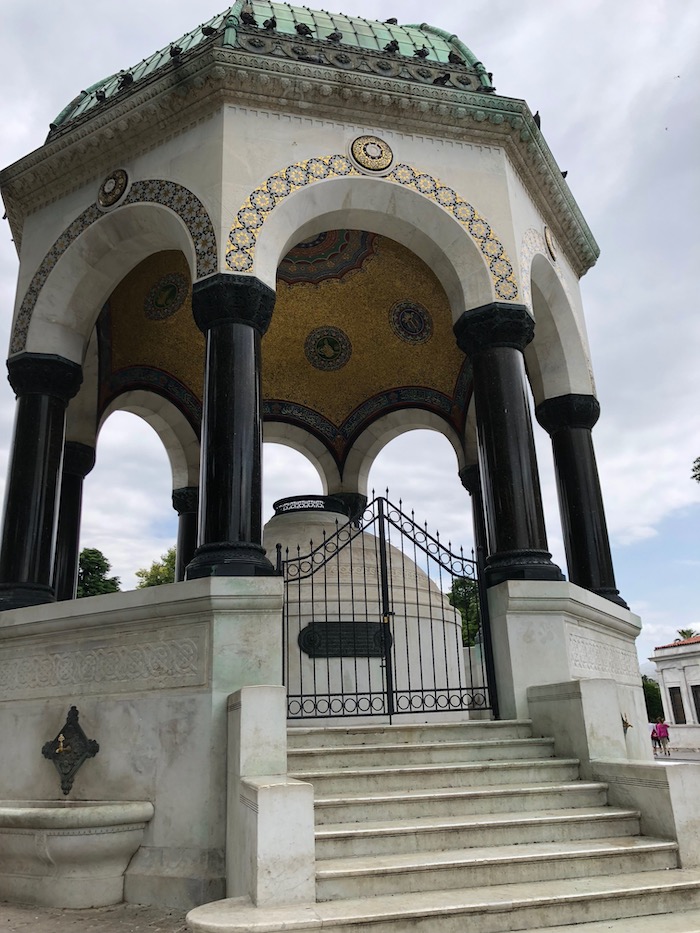
During a visit in 1901, Kaiser Wilhelm II of Germany erected an elaborate temple-like German Fountain near the northeastern end of the Hippodrome as a gift to the sultan and his people.
Facing one another across the Hippodrome are the Mosque of Sultan Ahmet III (Blue Mosque), the Museum of Turkish and Islamic Art, and The Palace of İbrahim Pasha.
Monuments decorating the Hippodrome include the 3500-year-old Egyptian Obelisk of Theodosius, brought to Constantinople by Emperor Theodosius in 390 AD.
In the Byzantine Hippodrome, you'll also see the spiral bronze base of a three-headed serpent sculpture brought from Delphi in Greece (the serpents' heads are in the Archeological Museum just down the hill).
At the southwestern end of the Hippodrome is the bare stone Column of Constantine Porphyrogenetus, dating from the 10th century.
Just west of the Hippodrome is the Binbirdirek Cistern ("Cistern of 1001 Columns"), also worth a look.
-by Tom Brosnahan, updated by Melike Kocaer



 Get a Quote
