



Bursa's pleasant Covered Market (Bursa Kapalı Çarşı) is much smaller than Istanbul‘s 4000-shop labyrinth Grand Bazaar, but it’s only the centerpiece of a much larger Bursa bazaar district laced with narrow streets, many of them covered to protect shoppers from bad weather.
Wander through Bursa’s Covered Bazaar, located near Koza Park next to the Great Mosque (Ulu Cami), and don’t miss the handsomest of the hans: the İpek (Silk) Han, the Koza (Cocoon) Han, and the Emir (Lord’s) Han.
The narrow streets harbor a dozen hans (caravanserais), old Ottoman workshop-and-warehouse complexes arranged around a courtyard and sealed by massive armored doors.
Visitors to the Bursa Kapalı Çarşı can explore a maze of alleys and lanes lined with shops selling a wide variety of goods.

Silk
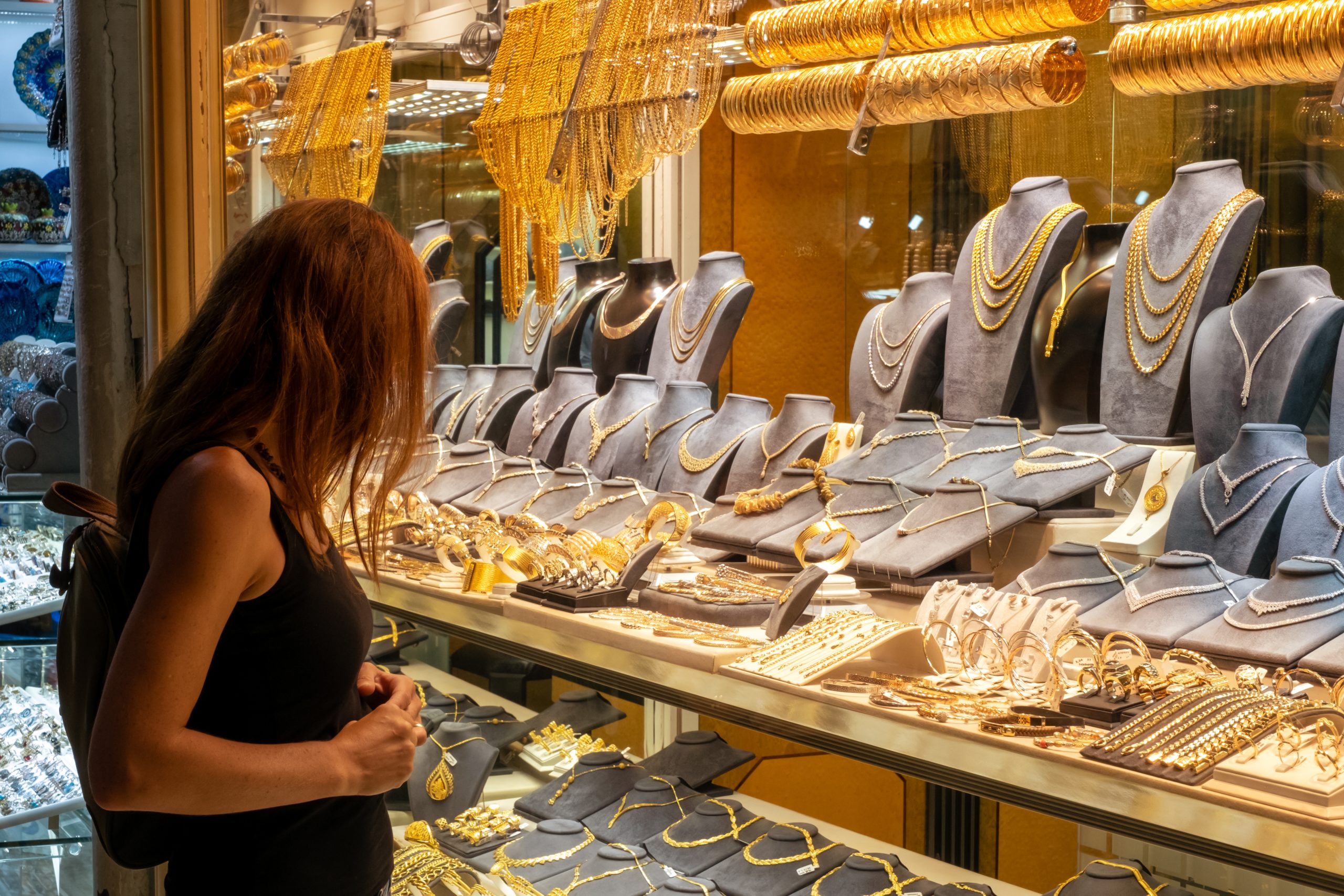
Silk is the strong point in many shops. Silk was Bursa’s prime cloth trade for centuries, and although much of the items at the silk market now on sale comes from elsewhere, the variety and selection are still impressive.
Besides silk, the bazaar also offers an array of traditional Turkish handicrafts, jewelry, spices, sweets, and more. It's a good place to do some shopping for souvenirs, with many stores selling items of interest to tourists, including clothing, jewelry, bags, and more.
When I first came to Turkey in the 1960s, silk was still being raised in commercial quantities around Bursa. In April the farmers would buy their silkworms and set them to eating mulberry leaves. By May or June they had spun their cocoons (koza). Huge sacks of the valuable cocoons would soon fill the Koza Han to be haggled over by farmers, brokers and buyers.
Of special interest is the Eski Aynalı Çarşı (“Old Mirrored Market”), which was actually built as a hamam (Turkish bath), but later converted to shops. Drop in at Karagöz Antikacı, an antiques and handicrafts shop that also carries Karagöz shadow puppets.
—by Tom Brosnahan, updated by Kimberly Price



 Best Travel Agencies
